Butterfly 3D SVG: Laser Cutting Wall Decor
As a graphic designer who has spent the last decade refining brand identities and preparing files for production, I approach every new graphic design asset with a critical eye. It is not enough for a file to look pretty on a screen; it must perform under the pressure of real-world application. Recently, I evaluated the Butterfly 3D SVG Multilayer Cutting File for a client project involving a boutique home goods brand. The goal was to create high-end Wall Decor that felt organic yet precise. Here is my professional review of how this asset holds up in a commercial design environment.
First Impressions and Visual Mood
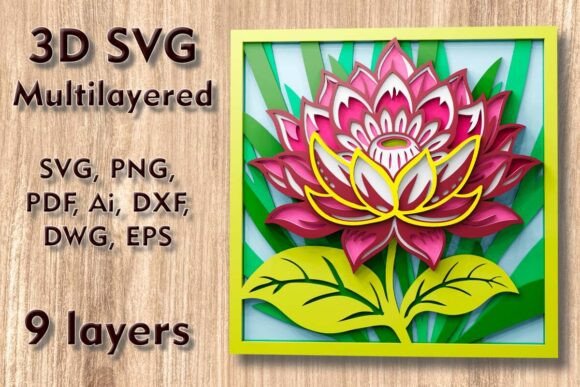
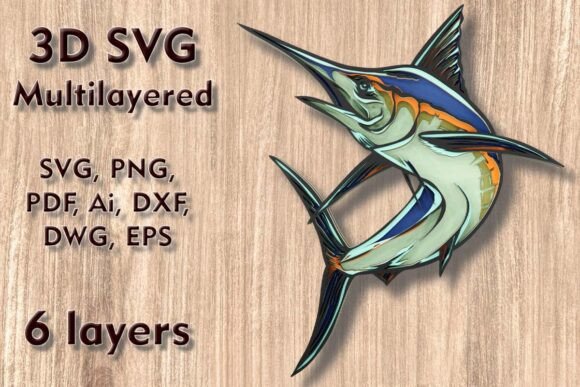
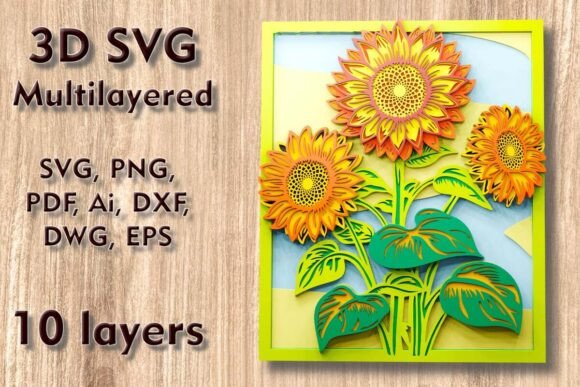
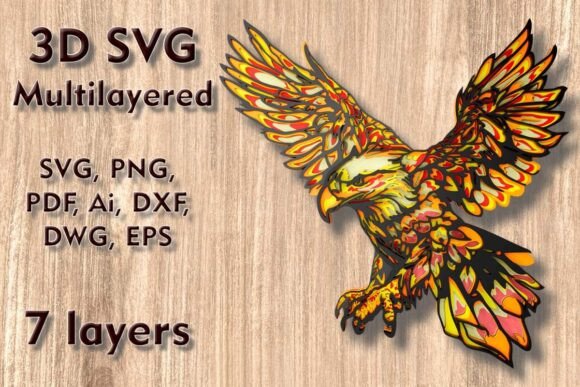
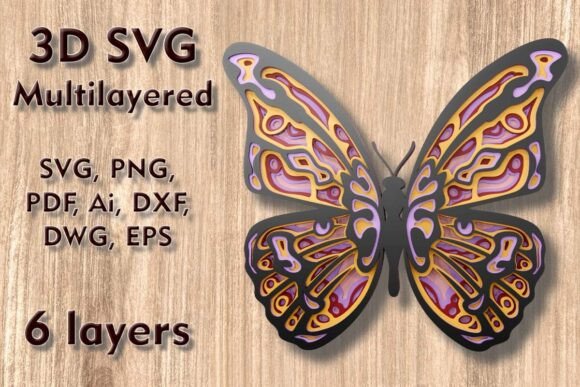
The immediate impact of this SVG design is its depth. Unlike flat clipart or simple illustrations, this multilayered file offers a tangible sense of dimension. The visual mood is ethereal and delicate, fitting perfectly into projects that require a touch of whimsy without sacrificing sophistication. For a client targeting the handmade business market or those interested in modern design aesthetics, this asset bridges the gap between digital precision and organic beauty.
The structure relies on six distinct layers. In my initial inspection, I noted that the spacing between these layers is crucial for the final physical output. This is not just a PNG design for web use; it is a technical blueprint for Laser Cutting. The intricate details suggest a style that works well for spring campaigns, wedding invitations, or upscale nursery decor. However, the complexity means it demands respect during the scaling process.
Performance in Real Client Projects
When integrating this asset into a broader brand identity, versatility is key. I tested the butterfly in several scenarios beyond its primary purpose as wall art. For packaging design, the layered effect can be simulated using spot UV coating on box lids, creating a premium unboxing experience. In social media graphics, particularly for Pinterest pins or Instagram posts, the silhouette serves as a strong focal point when paired with minimalist typography.
For clients involved in print-on-demand or Etsy product creation, this file is a powerhouse. It translates beautifully into sublimation design for mugs and tote bags, provided the layers are flattened or color-coded correctly for the printing method. As a Cricut project component, it allows crafters to create textured paper flowers or shadow boxes. The file’s native size of approximately 250 x 223 mm (9.9 x 8.8 inches) is a generous starting point. I found that increasing the size for large-format posters maintained integrity, but reducing it required caution due to the thin elements connecting the layers.
Strategic Placement and Visual Hierarchy
Understanding where to place this creative design is essential for maintaining visual hierarchy. This asset works best in large layout areas where it can breathe. It serves excellently as a hero graphic on landing pages or as a decorative accent on editorial design spreads. When used in marketing visuals, it draws the eye and adds emotional appeal, enhancing audience engagement through its intricate details.
However, there are contexts where this asset should be used carefully. It is not suitable for crowded layouts where readability might suffer. If you are designing a corporate logo or a minimalist brand mark, the complexity of six layers may distract from the core message. In small sizes, such as favicon icons or tiny footer graphics, the thin elements may disappear or merge, losing the intended 3D effect. Always ensure there is sufficient contrast against the background; a busy pattern behind this illustration will negate its impact.
Technical Review and Designer Notes
Before handing off any digital product to a client or sending it to production, I run a series of checks. Here are my practical notes for using this design bundle effectively:
- Test in Black and White: Strip away color to ensure the shape remains recognizable. This helps verify that the clipart structure is sound regardless of the palette.
- Check Contrast: Preview the design on both light and dark backgrounds. For t-shirt design or dark-mode web design, you may need to adjust layer colors or add outlines to maintain visibility.
- Inspect Vector Editability: Open the SVG in your preferred software. Ensure all paths are closed and nodes are clean. This is vital for Laser Cutting machines to interpret the cut lines accurately.
- Review Thin Elements: As mentioned, the design has delicate connections. If scaling down, consider merging layers or simplifying the design to prevent breakage during physical cutting.
- Typography Pairing: This illustration pairs well with elegant serif fonts for a classic look or clean sans serif fonts for a modern vibe. Avoid overly decorative script fonts that might compete with the butterfly’s intricacy.
- Commercial License Verification: Always confirm the commercial license terms. For small business branding and client work, ensuring you have the right to use the asset in commercial design is non-negotiable.
Final Verdict for Designers and Makers
The Butterfly 3D SVG Multilayer Cutting File is a robust addition to any designer’s toolkit. It transcends being a mere sticker design or simple illustration; it is a functional component for creating tactile experiences. Whether you are developing a Canva template for seasonal sales, crafting unique product mockups, or producing physical Wall Decor for a local event, this asset delivers professional results.
Its strength lies in its adaptability across various mediums, from web design elements to physical sublimation design applications. By respecting its structural limits and leveraging its aesthetic strengths, designers can elevate their projects from standard to exceptional. For those in the creative marketplace looking to offer high-quality design assets, this file represents the kind of polished, thoughtful resource that builds trust and recognition with end-users. Use it wisely, test it thoroughly, and let it add depth to your next creative endeavor.