Cowboy Candy Holder: A Designer’s Real-World Review
As a designer who has spent countless hours digitizing and testing files for client work, I have learned that the difference between a good product and a great one often lies in the details. When I first encountered the Cowboy Candy Holder, my initial reaction was not just about the aesthetic appeal but about its potential utility in real-world applications. This is not merely a decorative element; it is a functional design asset that bridges the gap between whimsical charm and practical craft.
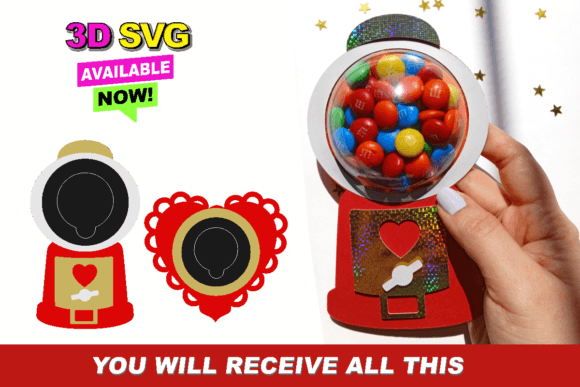
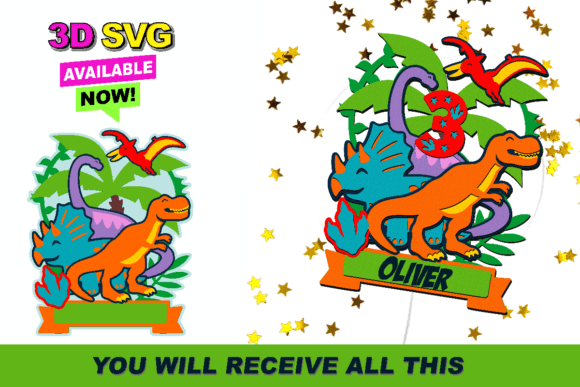
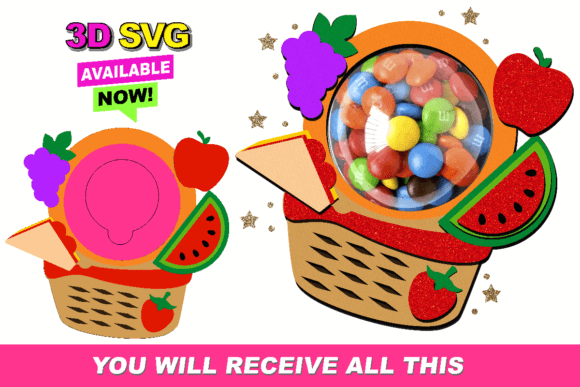
The file arrives as a 3D SVG in a zipped folder, which immediately signals its primary intended use for cutting machines like Silhouette Studio and Cricut Design Space. However, from an embroidery perspective, the shape and structure of this design offer intriguing possibilities for adaptation. While it is marketed under the Shapes category, its bold lines and distinct silhouette make it a strong candidate for various textile projects if approached with the right technical mindset.
First Impressions and Visual Personality
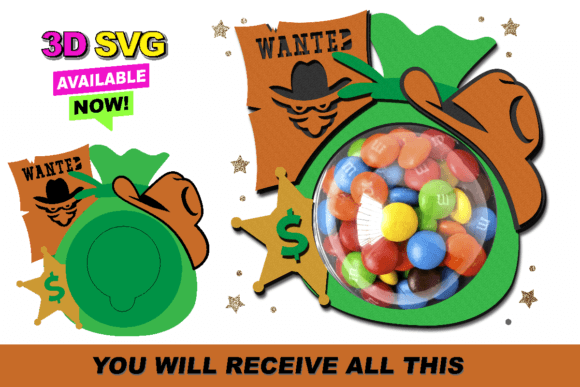
The mood created by the Cowboy Candy Holder is undeniably rustic yet playful. It evokes images of country fairs, western-themed birthdays, and cozy kitchen decor. The layout is clean, avoiding unnecessary clutter that can often plague digital designs. For an embroidery designer, this simplicity is a double-edged sword. On one hand, it means fewer stitch complications; on the other, it requires precise execution to ensure the final finished product does not look flat or unfinished.
When I visualize this design stitched out, I see it working best with bold thread colors. Think deep browns, vibrant reds, or classic denim blues. The visual personality is strong enough to stand alone as a focal point on a tote bag design or as a subtle accent on a sweatshirt embroidery project. It does not scream for attention but rather invites a closer look, which is exactly what you want in high-quality design assets.
Real-Case Application: The Custom Tote Bag
To test the viability of this design, I imagined a specific scenario: creating a custom embroidered tote bag for a local boutique specializing in western-inspired home goods. The client wanted something that felt handmade but looked professional. Using the Cowboy Candy Holder as the central motif, I considered how it would translate from a digital cut file to a stitched embroidery project.
For this application, I would recommend using a fill stitch for the main body of the holder to give it weight and texture against the canvas fabric. The edges could be defined with a tight satin stitch to prevent fraying and add a polished look. This approach transforms a simple shape into a tactile handmade product that customers can feel and appreciate. The result would be a durable, stylish accessory that fits perfectly into a craft business inventory or an Etsy seller’s shop.
Performance Across Different Fabrics
One of the critical aspects of any machine embroidery design is how it performs on different materials. The Cowboy Candy Holder is versatile, but it demands respect for fabric texture. On sturdy fabrics like denim or canvas, it shines. The density of the stitches holds well, and the shape remains crisp. However, when working with thinner or stretchy fabrics, such as those used in baby embroidery or lightweight t-shirts, caution is required.
If you are adapting this 3D SVG concept for embroidery on delicate materials, you must adjust your stitch density. Too much density can cause puckering, while too little can leave gaps that reveal the fabric underneath. I always advise testing on scrap fabric first. This step is non-negotiable for maintaining professionalism and ensuring customer trust. A poorly stitched item can damage your brand consistency, no matter how cute the design is.
Technical Considerations for Embroiderers
Since the provided file is a 3D SVG intended for cutting, embroidery professionals need to take extra steps before stitching. You cannot simply import an SVG into most embroidery software and expect perfect results. You will likely need to manually digitize the shape or use auto-digitizing features with careful manual cleanup. Pay close attention to corner details and small curves. These areas are prone to thread breaks or bunching if not properly optimized.
Consider the hoop size you are working with. If you are scaling the design up for a large pillow cover or down for a embroidered patch, ensure that the proportions remain balanced. Tiny details may get lost if the design is reduced too much, especially on textured fabrics like towels or blankets. Always check whether the design works for both personal and commercial projects by reviewing the license terms associated with the download. If the license is unclear, contact the creator before selling commercial embroidery items.
Enhancing Visual Appeal and Brand Value
Using unique shapes like the Cowboy Candy Holder can significantly enhance the visual appeal of your products. It sets your work apart from generic clipart and shows that you have curated your digital embroidery file selection with care. For small shop product lines, this kind of distinctive imagery helps build brand recognition. Customers begin to associate that specific rustic charm with your name.
Moreover, this design lends itself well to holiday embroidery themes. Imagine it paired with autumn leaves for fall decor or snowflakes for winter gifts. Its versatility allows it to be a year-round asset in your design assets library. When presented in printable mockup previews or on actual custom apparel, it communicates quality and thoughtfulness.
Final Verdict and Practical Advice
In conclusion, the Cowboy Candy Holder is a promising design element for creators who understand the nuances of textile production. While it comes as a cutting file, its structural integrity makes it an excellent base for embroidery adaptation. Remember to verify machine compatibility if you are converting formats, as the description notes: "If you are using another type of machine please ensure you are able to u" [sic]. This incomplete sentence suggests you should double-check technical requirements before purchase.
- Test stitch on similar fabric to your final product.
- Use appropriate stabilizer to support the stitch density.
- Contrast thread colors against the fabric for maximum visibility.
- Check licensing for commercial use rights before selling.
- Adjust digitizing settings for small hoops or curved surfaces like caps.
For hobbyists and creative entrepreneurs alike, this shape offers a fun challenge and a rewarding result. Whether you are making a personalized gift for a friend or stocking your online store with unique small business merchandise, the Cowboy Candy Holder can be a standout addition to your portfolio. Just remember that the magic lies not just in the file, but in how you bring it to life through skilled craftsmanship.