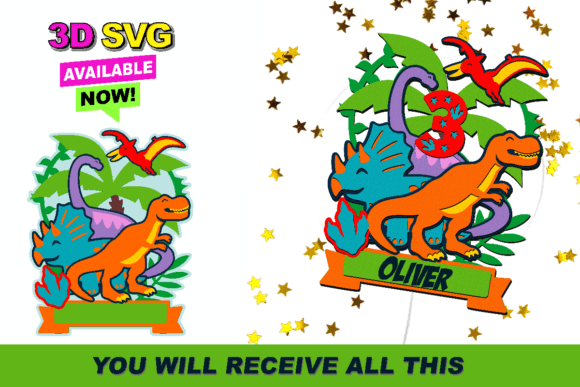
Dinosaur Cake Topper: A Designer’s Review
When I first pulled the Dinosaur Cake Topper file from my digital library, my initial reaction was one of cautious curiosity. As an experienced embroidery designer and reviewer, I have seen countless dinosaur motifs flood the market. Most are either too cartoonish for boutique work or too complex for reliable stitching on varied fabrics. However, this specific design caught my eye because of its clean lines and structural simplicity. It promises to be a versatile asset for anyone looking to add a prehistoric touch to their handmade products without sacrificing professional quality.
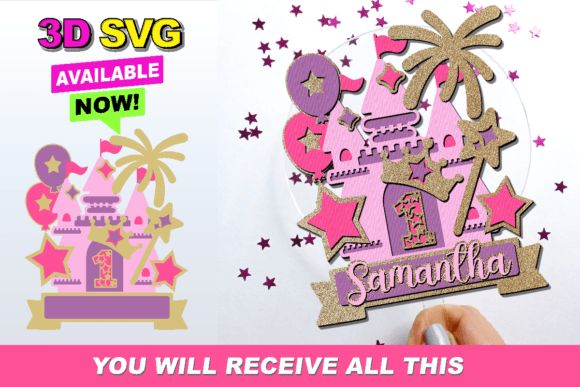
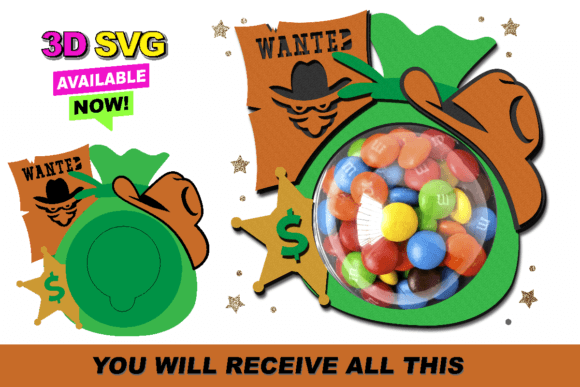
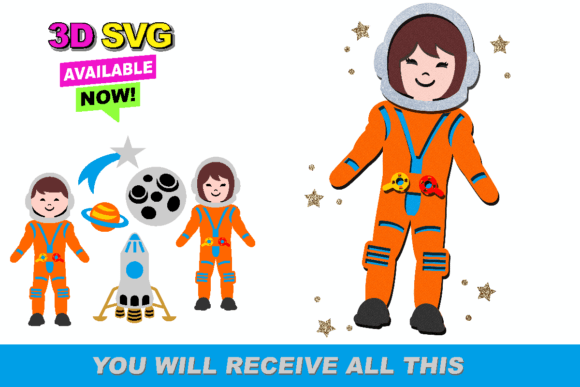
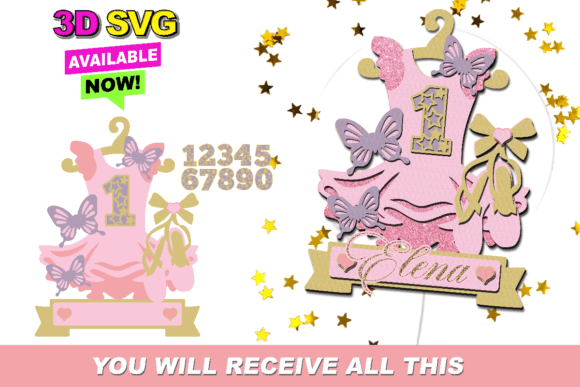
The product is categorized under Shapes and delivered as a 3D SVG collection. For those of us who live in Silhouette Studio and Cricut Design Space, this format is immediately familiar. The description notes that it is easy to cut, which suggests the vector paths are clean and closed properly. But as an embroiderer, I look beyond the cutting potential. I need to know how these shapes translate when converted into thread. Does the geometry hold up under the tension of a needle? Is the visual weight balanced? Let’s dive into how this design performs in real-world scenarios.
First Impressions and Visual Personality
The mood of the Dinosaur Cake Topper is playful yet polished. It avoids the chaotic detailing that often plagues free online designs. Instead, it relies on strong silhouettes. This is crucial for embroidery. When you are working with thread, especially on textured fabrics like terry cloth or heavy denim, fine details can get lost. A shape-based design ensures that the subject remains recognizable even from a distance.
I imagine this design fitting naturally into a nursery decor project or a child’s birthday gift. The visual personality is friendly, making it ideal for baby embroidery on onesies or burp cloths. However, because it is a 3D SVG collection, it also offers depth. If you are creating layered applique designs, these shapes provide excellent foundations. You can stack felt or fabric layers to create dimension before adding any satin stitch borders, giving your finished product a high-end, tactile feel that customers love.
Real-World Application: The Custom Tote Bag Test
To truly evaluate a machine embroidery design, you must put it to work. I recently had a request for a set of personalized tote bags for a child’s dinosaur-themed party. This was the perfect test bed for the Dinosaur Cake Topper. I chose a sturdy cotton canvas, known for its stability, and paired it with a medium-weight cut stabilizer.
The process revealed the design’s strengths. Because the shapes are bold, they stitched out quickly. There was no excessive jump stitching or tedious fill stitch areas that would have prolonged production time. For a craft business owner, time is money. A design that stitches efficiently while maintaining visual impact is a valuable asset. The resulting embroidered patch looked crisp and professional. The thread colors popped against the natural canvas, proving that this design works well for both subtle and vibrant color palettes.
Beyond tote bags, consider sweatshirt embroidery. The thick fabric of a hoodie requires a design that doesn’t pucker. The solid nature of these shapes allows for proper stabilization. Whether you are using a running stitch for a sketch-like effect or a dense satin stitch for a glossy finish, the underlying geometry supports the thread work effectively. This versatility makes it a strong candidate for custom apparel lines.
Navigating Fabric and Hoop Constraints
While the design is robust, it is not without its limitations. Every embroidery file has its quirks, and understanding them prevents costly mistakes. One area to approach with care is small hoop sizes. If you are working with a 4x4 inch hoop, ensure you scale the design appropriately. Shrinking it too much can cause the stitch density to become too high, leading to thread breaks or fabric distortion.
Textured fabrics present another challenge. If you are stitching on a plush blanket or a waffle-knit towel, the tiny details might sink into the pile. In such cases, I recommend using a tear-away stabilizer with a topping to keep the stitches on the surface. Also, be mindful of dark fabrics. If you are using light thread colors, ensure there is enough contrast. A quick test on scrap fabric is always wise before committing to the final garment.
Curved surfaces, such as caps or hats, require extra attention. The rigidity of the cap buckram helps, but the design placement is key. Centering the Dinosaur Cake Topper on the front panel works best. Avoid placing it too close to the seams where the hoop might struggle to maintain tension. For stretchy fabrics like jersey knits used in t-shirts, a lightweight fusible stabilizer is essential to prevent stretching during the stitching process.
Commercial Viability and Brand Consistency
For Etsy sellers and small shop owners, the commercial value of a design lies in its adaptability. This collection fits seamlessly into various product lines. It works for holiday embroidery, such as Easter baskets or Halloween treats, and serves as a charming accent for wedding gifts if the couple has a quirky sense of humor. The consistency of the style helps build brand recognition. When customers see a clean, well-executed dinosaur motif, they associate it with quality.
However, before listing finished items or digital products, you must verify the licensing terms. The product description mentions it is a 3D SVG collection for cutting machines. It does not explicitly state the license for machine embroidery use if you are converting these SVGs into stitch files yourself. Always confirm whether the creator allows commercial use of derived embroidery designs. If you are using pre-digitized versions, check the included license file. Protecting your business from copyright issues is just as important as the stitching itself.
Practical Notes for the Embroidery Designer
Before you load this design into your machine, take a moment to review the technical aspects. Check the stitch density in your software. If it seems too high for your fabric choice, adjust the settings or add more stabilizer. Test the design in black and white mockups to ensure the silhouette reads clearly without color reliance. This is particularly useful for creating printable mockups for your online store listings.
Inspect the small details. Are there any tiny islands of stitching that might pull out? If so, consider adding tie-down stitches or simplifying the area. Compare how the design looks on light versus dark fabric backgrounds. Sometimes, a slight adjustment in thread color or stitch type can make a significant difference in the final presentation.
Ultimately, the Dinosaur Cake Topper is a solid addition to any designer’s toolkit. It balances fun and functionality, offering a reliable shape that translates well into thread. Whether you are creating a single personalized gift or scaling up for a boutique product line, this design holds up under scrutiny. Just remember to respect the material constraints, verify your usage rights, and always test on scrap fabric first. With these precautions, you can confidently integrate this 3D SVG-inspired motif into your next successful embroidery project.