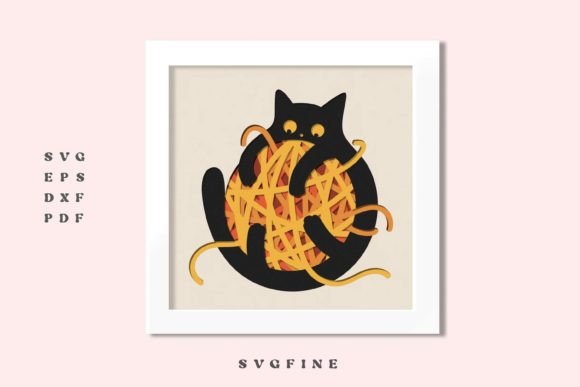
Reviewing the 3D Cute Cat Shadowbox SVG for Embroidery
As a designer who spends half my life digitizing files and the other half stitching them out, I have learned to look past the flashy preview images. When I first encountered the 3D Cute Cat Shadowbox Svg, my initial reaction was cautious curiosity. The description promises a "Cute Cat and Rainbow Rope Ball" with a 3D papercut art aesthetic. For those of us in the embroidery world, translating a layered paper-cut style into thread is a unique challenge. It requires a keen eye for depth, shadow, and stitch direction. This review breaks down how this digital asset performs when moved from the screen to the needle, specifically for those creating handmade products, custom apparel, or boutique home décor.
First Impressions and Visual Personality
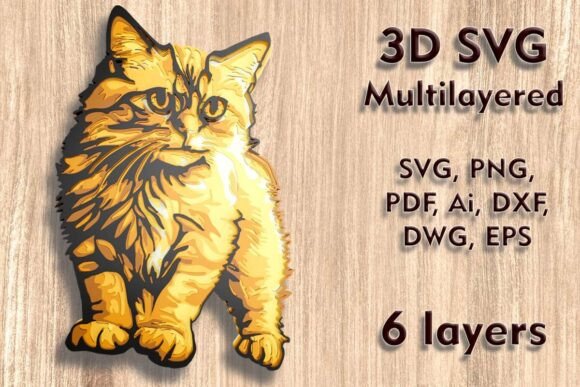
The mood of this design is undeniably playful and whimsical. The combination of a feline subject with a rainbow rope ball suggests a target audience that loves bright colors and lighthearted themes. Visually, the layout relies on overlapping shapes to create the illusion of depth, which is the hallmark of shadowbox art. In a 3D SVG context, this usually means distinct layers that can be separated or stacked. For an embroidery project, this translates to potential complexity. The detail level appears moderate, focusing on bold shapes rather than intricate micro-details. This is generally a good sign for durability, especially if you are planning to use this on items that will see frequent use, such as a tote bag or a child’s sweatshirt.
The visual personality fits well within the current trend of maximalist cute aesthetics. It is not minimalist, nor is it overly realistic. Instead, it occupies a sweet spot that appeals to both children and adults who appreciate quirky, colorful design. This versatility makes it a strong candidate for a wide range of products, from nursery decor to personalized gifts for cat lovers.
Real-World Application: The Custom Tote Bag Test
To truly evaluate a design, I imagine it on a specific product. Let’s consider a custom embroidered tote bag made from heavy canvas. This is a popular item for Etsy sellers and small shop owners. The 3D Cute Cat Shadowbox Svg would need to hold its own against the textured fabric. Canvas has a visible weave, which can sometimes swallow up fine details. However, because this design leans on broader shapes and color blocking, it should translate well. The rainbow elements offer an excellent opportunity to showcase thread color vibrancy. Using high-sheen rayon or polyester threads would enhance the "papercut" illusion by reflecting light differently across the layers.
If I were producing this for a client, I would likely scale the design to fit a 5x7 or 6x10 hoop, ensuring the cat remains the focal point. The placement would be central, allowing the rainbow ball to trail slightly off-center for dynamic movement. Customers reacting to this finished product would likely perceive it as high-effort and artistic due to the layered appearance, even if the actual stitching process is streamlined. This perceived value is crucial for craft business owners looking to justify higher price points.
Performance Across Different Fabrics and Items
Beyond tote bags, this design has potential in several other categories. For sweatshirt embroidery, the soft texture of fleece or French terry provides a great background. The fill stitches used for the cat’s body would sit nicely on the plush surface, creating a cozy, tactile feel. However, one must be mindful of stitch density. If the digital file is too dense, it can cause the fabric to pucker or become stiff. Always check the stitch count and density settings in your embroidery software before loading the file onto the machine.
For baby embroidery, such as on onesies or burp cloths, caution is advised. The rainbow rope ball element might contain small, isolated areas that could unravel if not properly secured with tack-down stitches or if the fabric is too stretchy. In these cases, using a cut-away stabilizer is non-negotiable to maintain the integrity of the design after multiple washes. Conversely, for holiday embroidery or gift items like pillow covers, the design’s cheerful nature makes it a year-round contender, not just limited to specific seasons.
Challenges with Curved and Textured Surfaces
Applying this design to curved surfaces like caps or hats requires careful hooping. The 3D effect relies on precise alignment of layers. On a curved cap panel, distortion can occur, making the layers look misaligned. I recommend using a strong backing stabilizer and possibly reducing the pull compensation in your digitizing software if you have access to edit the file. Additionally, on dark fabrics, the lighter colors of the rainbow will pop, but ensure there is enough contrast between the cat and the background. If the cat is also light-colored, consider adding a subtle satin stitch border to define the edges against dark fabric.
Designer Notes for Best Results
Before committing to a full production run, follow these practical steps to ensure quality:
- Test on Scrap Fabric: Always stitch out a sample on the exact fabric type you intend to use. This reveals issues with tension, density, and registration.
- Check Thread Color Contrast: The success of a shadowbox style depends on clear differentiation between layers. Choose thread colors that are distinct from one another to maintain the 3D illusion.
- Review Stitch Types: Look for a mix of satin stitch for borders and fill stitch for larger areas. Running stitch may be used for internal details, but ensure it is secure.
- Verify Hoop Size Compatibility: Confirm that the design dimensions fit within your machine’s maximum hoop size without excessive scaling that might distort the aspect ratio.
- Inspect Small Details: Zoom in on the digital file to check for tiny, isolated stitches that might cause thread breaks or bird nests during stitching.
- Use Proper Stabilizer: Match the stabilizer to the fabric weight. Heavier fabrics may need only tear-away, while stretchy knits require cut-away support.
Commercial Viability and Brand Consistency
For Etsy sellers and digital product sellers, this design offers a unique angle. It is not just a standard clipart cat; the 3D papercut style sets it apart in a crowded marketplace. Using this in printable mockups can help visualize the final product for customers, increasing buyer engagement. However, it is vital to confirm the licensing terms. The product description states it is a digital product and mentions looking for an "inspired template," which implies you should verify if commercial use is permitted for finished physical goods or if it is strictly for personal use. Never assume license terms; always read the included documentation.
In terms of brand consistency, if your shop focuses on whimsical, colorful, or pet-themed items, this design aligns perfectly. It enhances professionalism by offering a complex look that suggests high-quality craftsmanship. For commercial embroidery projects, such as branded merchandise for a pet store or veterinary clinic, this design could be adapted with custom text, provided the layout allows for it without cluttering the visual field.
Final Verdict
The 3D Cute Cat Shadowbox Svg is a promising asset for designers willing to pay attention to detail. It bridges the gap between digital art and tactile embroidery effectively. While it requires careful handling regarding stitch density and fabric choice, the payoff is a visually striking piece that stands out in the Home Décor and apparel markets. By testing thoroughly and understanding the limitations of your materials, you can transform this digital file into a best-selling handmade product that delights customers and elevates your craft business.