Reviewing the Butterfly 3D SVG for Embroidery Use
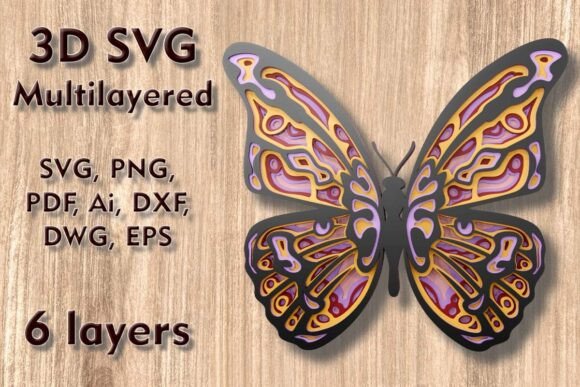
As a designer who spends half my life digitizing files and the other half stitching them out, I have learned to look past the glossy preview images. When I first opened the Butterfly 3D SVG Multilayer Laser Files, my initial reaction was not just about the aesthetic appeal, but about its structural integrity for physical production. While this asset is marketed primarily for Laser Cutting and Wall Decor, the intricate layering and organic flow of the design sparked an immediate idea: how would this translate into a high-end embroidered piece?
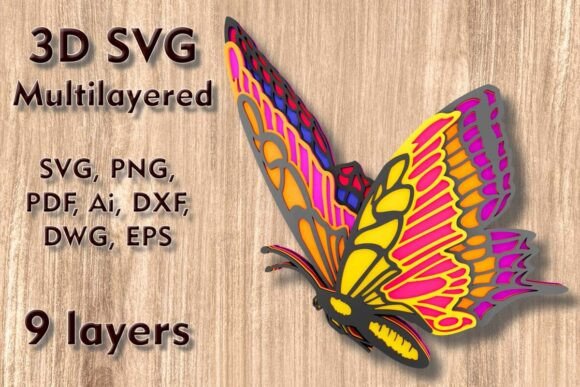
The file specifications list a size of 210 mm height by 205 mm width, which translates to roughly 8.3 by 8.1 inches. This is a substantial footprint. In the world of machine embroidery, that is not a small pocket logo; it is a statement piece. The design features nine distinct layers, creating a sense of depth that mimics the dimensional quality of paper cutting. For an embroidery designer, this layered approach presents both a challenge and a unique opportunity for texture manipulation.
Visual Impact and Design Personality
The mood of this butterfly is elegant yet modern. It does not rely on cartoonish outlines or overly simplified shapes. Instead, it uses negative space and overlapping segments to define the wings. When I visualize this as a machine embroidery design, I see potential for mixed techniques. The larger wing sections could utilize a soft fill stitch with a slight sheen, while the delicate inner veins might benefit from a crisp satin stitch or even a fine running stitch to maintain the airy feel of the original vector art.
In a real-world scenario, I recently worked on a custom order for a boutique client who wanted a signature motif for their spring collection. They were looking for something that felt handmade but polished. I pulled up the Butterfly 3D SVG Multilayer Laser Files as a reference for layout and proportion. Although I had to manually digitize the paths for embroidery software, the visual guide provided by these multilayer SVGs was invaluable. It helped me understand where the visual weight should sit. The result was a stunning sweatshirt embroidery piece that sat perfectly on the chest, drawing the eye without overwhelming the garment.
Practical Application in Commercial Projects
For Etsy sellers and small shop product creators, versatility is key. This design’s scale makes it ideal for items that offer a flat, stable surface. A tote bag design using this butterfly would be striking. Imagine it stitched in contrasting thread colors against a natural canvas background. The nine-layer concept can be interpreted through color blocking rather than physical layers, using varying shades of blue or purple to create depth.
However, one must be cautious with curved surfaces. Placing an 8-inch wide design on a cap or a fitted baby embroidery onesie is risky. The fabric distortion on a curved hoop can cause registration issues, especially with such detailed elements. For custom apparel like t-shirts, I recommend using a high-quality cut-away stabilizer to prevent puckering. The stitch density must be carefully managed; if the digital file is too dense, it will turn the fabric into cardboard. If you are adapting this laser-cut concept into an applique design, you can reduce stitch count significantly by using fabric patches for the larger wing sections, securing them with a satin border.
Navigating Technical Constraints
The product description notes that the size is easily increased, but warns against reducing the design due to thin elements. This is critical advice for embroiderers. When we shrink a design, the stitch length remains relative unless manually adjusted, which can lead to thread breaks or poor coverage. If you plan to use this on a smaller item, like a tea towel corner or a petite embroidered patch, you must resize it with caution. Ensure that the smallest details remain wider than the needle diameter to avoid skipping stitches.
Another consideration is fabric texture. On fluffy towels or thick fleece, fine details can get lost. For holiday embroidery gifts, such as a plush pillow cover, I would suggest simplifying the inner layers or using a metallic thread to highlight the main outlines, ensuring the design pops against the textured background. Always test the design on scrap fabric first. Check how the thread colors interact with the base material. A dark fabric may require an underlay stitch to prevent the base color from showing through the lighter threads of the butterfly wings.
Enhancing Brand Value and Customer Trust
Using a well-structured design like this elevates the perceived value of your handmade product. Customers can tell when a design is rushed versus when it has been thoughtfully placed and stitched. For commercial embroidery projects, consistency is vital. If you are creating a line of personalized gift items, ensure that the digitized version of this butterfly maintains its clarity across different colorways. Create printable mockup previews for your online store to show customers how the design looks on various products. This transparency builds trust and reduces return rates.
When selling design assets or finished goods, always clarify the usage rights. While this specific file is an SVG for laser cutting, if you create a derivative embroidery file, you need to understand the licensing implications. Are you selling the digital embroidery file or the finished product? Most commercial licenses allow for the sale of physical items but restrict the redistribution of the digital design itself. Always read the terms provided by the creator.
Final Designer Notes
Before committing to a full production run, perform a few key checks. First, view the design in black and white. This removes the distraction of color and lets you focus on contrast and shape definition. If the layers blend together in grayscale, you may need to adjust your thread choices or stitch types. Second, consider the hoop size required. An 8.3-inch design needs at least a 9x9 or 10x10 hoop, depending on your machine’s margin requirements. Ensure your equipment can handle this area comfortably.
The Butterfly 3D SVG Multilayer Laser Files is a robust starting point for creative adaptation. It offers a sophisticated silhouette that transcends its original purpose. Whether you are creating a nursery decor piece, a wedding gift, or a signature brand element, this design rewards careful planning. By respecting its structural nuances and adapting it thoughtfully to the constraints of embroidery, you can produce a finished product that is both visually captivating and technically sound. Keep your stabilizer sharp, your needles fresh, and your tension balanced, and this butterfly will fly beautifully off the hoop.